Ensuring Food Safety: A Complete Guide to Manufacturing Compliance in the Food Industry
Ensuring food safety is a vital responsibility in the food industry. Adherence with set regulations protects public health and builds consumer confidence. Understanding the intricacies of these requirements is crucial for manufacturers. This guide outlines the foundational aspects of food security compliance. It emphasizes key regulations, best practices, and the role of training. As the industry advances, new technologies could redefine standards. What implications might these changes have for future compliance efforts?
Recognizing the Importance of Safe Food Handling Compliance
Compliance with food safety standards is essential to protecting public health and maintaining consumer trust in the food supply. Compliance with safety standards reduces foodborne illnesses, which can cause critical health impacts for individuals and communities. Adhering to compliance means following stringent practices, including the proper handling, storage, and preparation of food, confirming that products are safe for consumption.
Furthermore, food safety adherence supports the integrity of the food supply chain by demanding openness and responsibility from producers. It fosters a environment of accountability among food producers, encouraging them to emphasize safety measures throughout the production process.
In a competitive marketplace, organizations that emphasize adherence not only mitigate hazards associated with contamination but also improve their standing among customers. This dedication can lead to increased consumer devotion and confidence in their products. Ultimately, understanding the significance of food safety compliance is vital for the health of consumers and the longevity of the food industry.
Major U.S. Standards Influencing Food Manufacturing Obedience
Within the sector of food manufacturing, adherence to essential U.S. regulations is vital for maintaining product safety and compliance. This involves an analysis of FDA regulations, the implementation of Hazard Analysis Critical Control Point (HACCP) guidelines, and careful adherence to label requirements. Understanding these regulations is essential for manufacturers try this aiming to meet industry standards and protect consumer health.
FDA Directives Foundational Overview
While traversing the intricacies of food manufacturing, grasping FDA regulations is vital for compliance and safety. The Food and Drug Administration (FDA) supervises multiple aspects of food production, including labeling, ingredient safety, and good manufacturing practices. Key regulations include the Food Safety Modernization Act (FSMA), which prioritizes preventive controls to reduce foodborne illness risks. Additionally, the Federal Food, Drug, and Cosmetic Act sets standards for food safety and quality. Compliance with these regulations demands manufacturers to implement rigorous documentation and monitoring processes. Non-compliance can lead to severe penalties, including recalls and legal action. As a result, staying informed about FDA regulations is critical for food manufacturers aiming to maintain consumer trust and safeguard public health.
HACCP Application Recommendations
Establishing Hazard Analysis Critical Control Point (HACCP) systems is essential for food manufacturers aiming to enhance food security and compliance. This systematic approach recognizes plausible hazards in the production operation and establishes critical control points to mitigate risks. Food manufacturers must initiate a thorough hazard analysis, determining biological, chemical, and physical hazards associated with their products. Instituting critical limits for each control point is fundamental, along with monitoring mechanisms to confirm compliance. Documentation plays a significant aspect, mandating manufacturers to safeguard records of their HACCP plans, monitoring activities, and corrective actions. Training employees on HACCP principles is also indispensable for effective implementation. Adherence to these guidelines not only complies with U.S. regulations but also fosters consumer trust in food security practices.
Marking Requirements Compliance
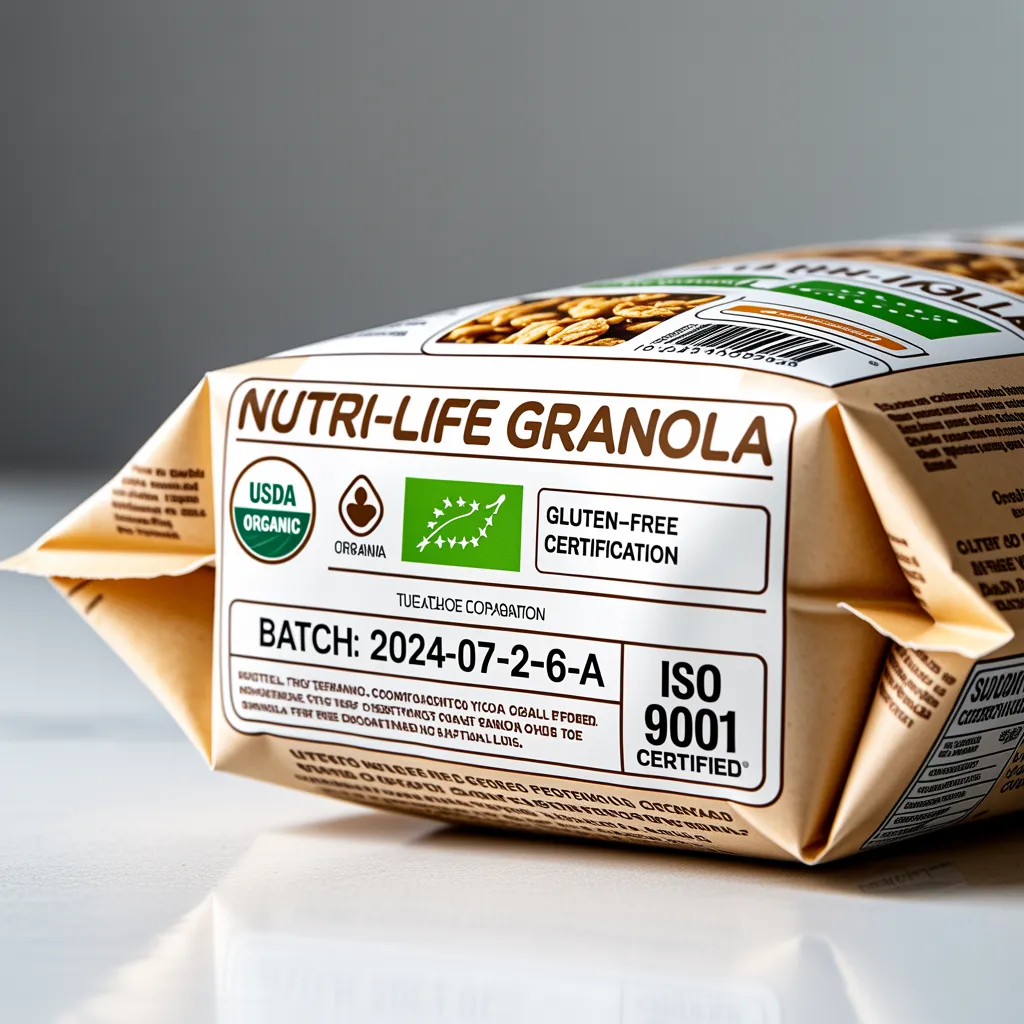
Labeling requirements play an essential role in food manufacturing compliance, as they guarantee that customers obtain clear and honest information about the items they purchase. In the United States, the Food and Drug Administration (FDA) and the United States Department of Agriculture (USDA) enforce strict regulations governing food labels. These regulations cover vital aspects such as ingredient lists, nutritional information, allergen warnings, and product claims. Adherence with these labeling standards is critical, as failure to comply can result in substantial legal consequences and harm consumer trust. Manufacturers must consistently review and update their labels to account for any changes in formulation or regulations. Consequently, adherence to labeling requirements is essential for maintaining both consumer safety and brand integrity in the food industry.
Leading Approaches for Achieving Food Safety Compliance
To ensure food safety compliance, organizations must implement consistent sanitation education initiatives for all staff members. Additionally, stringent quality control measures should be put in place to maintain and monitor safety standards throughout the production process. These practices are essential for reducing potential hazards and building a safety-conscious environment within the food sector.
Routine Personal Care Learning Initiatives
While food safety adherence is crucial for any food establishment, regular hygiene educational initiatives serve as a core component in achieving this goal. These programs guarantee that all employees are proficient in the latest hygiene procedures, including proper hand sanitation methods, proper food management, and cross-contamination prevention. Ongoing education helps to strengthen a culture of safety and awareness, significantly reducing the risk of foodborne illnesses. Furthermore, periodic revisions to training materials keep staff informed about changing compliance standards and best practices. Implementing a systematic approach to hygiene training, including assessments and refresher courses, can further improve adherence. Ultimately, investing in these programs not only meets regulatory requirements but also fosters consumer trust and satisfaction.
Rigorous Quality Control Procedures
Enforcing stringent quality control measures is paramount for maintaining top-tier levels in food safety compliance. These measures entail a detailed method to inspecting and assessing every component of food production, from raw material sourcing to final product distribution. Implementing exacting testing protocols verifies that products meet safety standards and remain uncontaminated. Also, regular audits and inspections are vital in identifying potential hazards and non-compliance issues before they escalate. Staff training on quality assurance practices reinforces the importance of vigilance in food safety. By fostering a culture of accountability and continuous improvement, manufacturers can proactively mitigate risks, improve product quality, and maintain compliance with regulatory requirements, ultimately protecting consumer health and maintaining brand integrity.
Common Food Safety Problems and How Can They Be Mitigated?
Several food safety concerns can undermine public health, making it important to pinpoint and minimize these problems. Frequent contaminants feature biological, chemical, and physical contaminants. Biological risks, such as bacteria, viruses, and parasites, typically originate from negligent food preparation or insufficient thermal treatment. Safety measures comprise proper cooking, suitable temperature control, and consistent hand cleaning.
Chemical hazards could arise from pesticide residues, cleaning agents, or food additives. To minimize these risks, manufacturers should maintain strict guidelines for chemical use and offer extensive ingredient labeling.
Physical hazards involve foreign objects including glass, metal, or plastic that may unintentionally enter food products. Establishing strict quality control measures and employing proper containment methods can help minimize these risks. By recognizing and tackling these typical dangers, food manufacturers can improve product safety, guaranteeing that the products reaching consumers are secure and meeting health regulations.
Why Training Is Vital for Food Safety Requirements
Effective coaching is critical for assuring food safety compliance, as it equips employees with the knowledge and skills vital to detect and address potential perils. Thorough training programs encourage a culture of food safety within institutions, empowering staff to learn regulations and best practices. When employees are thoroughly educated, they can competently pinpoint issues such as cross-contamination, improper storage, and inadequate sanitation practices.
Furthermore, training ensures that employees are aware of the significance of individual cleanliness and its effect on food protection. Consistently refreshed educational initiatives are essential to stay aligned with changing requirements and industry standards. This continuous education not only enhances compliance but also decreases the risk of foodborne illnesses, safeguarding both customers and the brand's reputation. In the end, committing resources to comprehensive instruction is a preventive step that fortifies the complete food safety system within an business.
How to Document and Communicate Food Safety Effectively
A detailed training curriculum furnishes staff with understanding and also stresses how valuable documentation is for food sanitation methods. Accurate documentation operates as an critical mechanism to copyright conformity and promote responsibility. Employees must be coached to precisely document vital information, including source materials, production methods, and cleaning practices.
Routine reviews of these records can help identify potential dangers and opportunities for enhancement. Furthermore, establishing a clear chain of communication enables quick notification of safety concerns, allowing for immediate corrective measures. Documentation should include incident logs, actions taken to correct issues, and validation of conformance with safety procedures.
Harnessing digital tools can improve this operation, keeping information easily obtainable and categorized. In conclusion, robust documentation and notification practices foster a culture of wellbeing, encouraging transparency and credibility among consumers and oversight agencies uniformly. This coordinated approach is required for sustaining the highest standards in food safety compliance.
Anticipated Patterns in Food Safety Adherence and Solutions
Emerging developments in food safety adherence and technology are reshaping the landscape of the industry. The integration of artificial intelligence and machine learning is enhancing predictive analytics, allowing manufacturers to spot potential hazards before they worsen. Blockchain technology is becoming a crucial tool for ensuring transparency in supply chains, enabling traceability from farm to table. Additionally, the adoption of IoT devices is facilitating real-time monitoring of environmental conditions, ensuring that food products are maintained and transported under ideal conditions.
Additionally, regulatory bodies are increasingly emphasizing digital reporting systems, streamlining compliance processes. As public consciousness rises, there is a rising demand for improved safety credentials, motivating organizations to adopt stricter requirements. Finally, the focus on sustainability is prompting advancements in packaging and waste management, increasingly merging product security with ecological accountability. Overall, these trends signify a revolutionary period in food safety compliance, propelled by technology and evolving consumer expectations.
Common Questions Posed Often
Which Qualifications Are Attainable for Food Protection Compliance in Fabrication?
Multiple standards are available for food safety compliance in production, encompassing ISO 22000, HACCP, SQF, BRCGS, and FSSC 22000. Each standard highlights different aspects of safety, quality, and regulatory adherence throughout the food manufacturing process.
How Can Small Businesses Pay for Regulatory Compliance?
Small enterprises can handle compliance measures by prioritizing affordable educational programs, seeking grants or subsidies, implementing efficient systems, and partnering with industry associations for support, thereby minimizing expenses while maintaining critical safety protocols.
What Position Do Customers Assume in Food Protection?
Consumers remain an integral part in food safety by requesting frankness and superior standards. Their choices spur manufacturers to prioritize compliance, producing a safer food environment while bolstering accountability and quality throughout the food supply chain.
How Frequently Should Food Safety Audits Be Conducted?
Food safety assessments should be performed at least annually, though more regular evaluations—quarterly or biannually—are beneficial for detecting potential hazards and ensuring compliance with regulations, ultimately enhancing overall food safety practices within the facility.
How Must I React if a Food Safety Breach Is Found?
When a food handling breach is identified, prompt remedial measures should be implemented. This encompasses recording the problem, notifying relevant personnel, making required adjustments, and conducting follow-up assessments to ensure adherence and avoid repetition.